Thanks, we've received your request, your new patient guide will be delivered directly to your inbox.

Oops! Something went wrong while submitting the form.
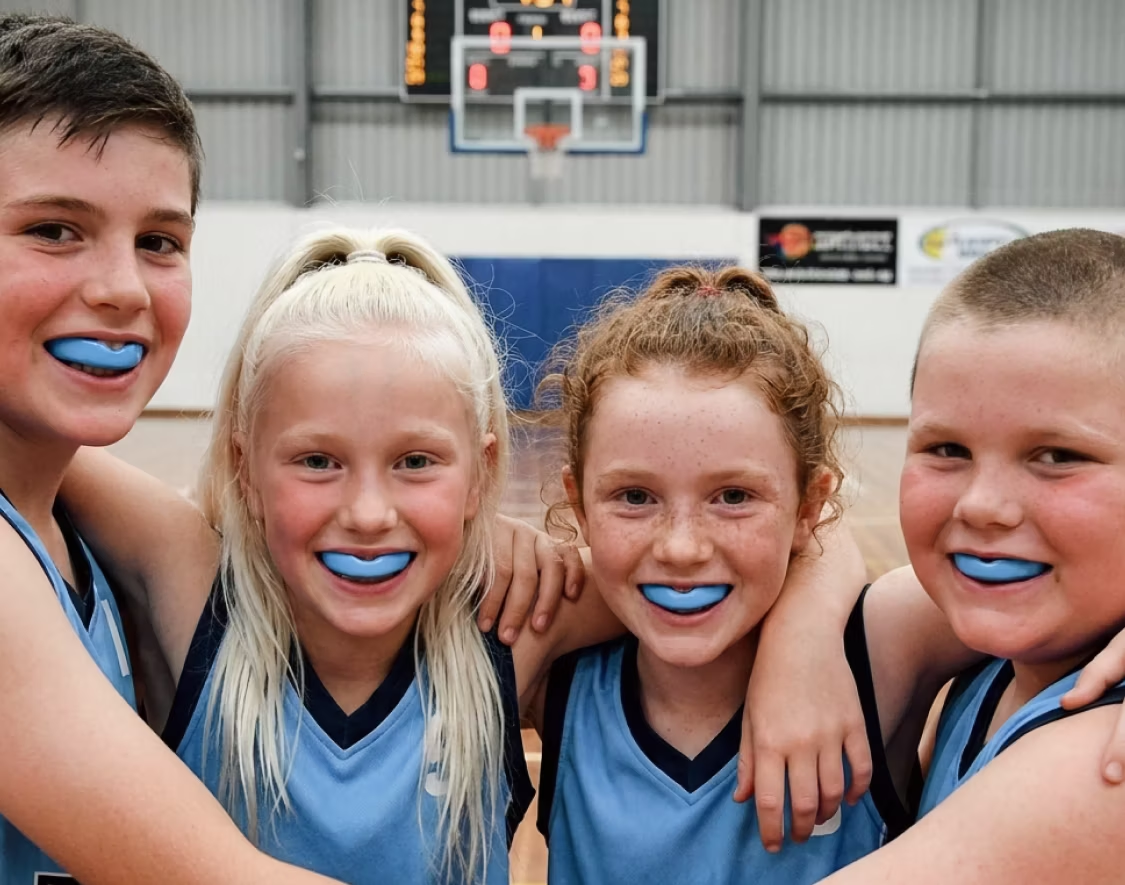
When the sporting calendar starts filling up, families around Port Macquarie get very good at remembering boots, uniforms, water bottles and the exact oval they are meant to be standing beside at 7.15 am. A sports mouthguard deserves a permanent place on that checklist.
A properly fitted mouthguard helps protect a child’s teeth, lips, tongue, cheeks and jaw from sporting impacts. It cannot remove every risk, but it can reduce the chance or severity of injuries that are painful, disruptive and sometimes require dental treatment for years. Compared with the cost and stress of repairing a badly damaged tooth, prevention is a much better game plan.
Mouthguards are important for obvious contact sports such as rugby league, rugby union, AFL, boxing and martial arts. They should also be considered for sports where players, balls, bats, sticks or hard surfaces can meet unexpectedly: hockey, soccer, basketball, netball and cricket.
Children who ride BMX or mountain bikes, skateboard, play water polo or take part in gymnastics may also benefit, depending on the activity and level of risk. A useful rule is this: if a fall or collision could reasonably send something into your child’s mouth or jaw, ask your dentist whether a mouthguard is appropriate.
And yes, it should be worn at training as well as matches. A tooth cannot tell the difference between a grand final and a Tuesday afternoon drill.
A sports mouthguard acts as a protective cushion. It is designed to absorb and distribute impact that might otherwise chip, fracture, loosen, displace or knock out a tooth. It can also reduce cuts to the soft tissues of the mouth and help protect the jaw and dental work.
For a child with braces, protection is especially important. An impact can damage teeth or appliances and press brackets into the lips and cheeks. Because teeth move during orthodontic treatment, these children need advice from their dentist or orthodontist about the right design and how often the fit should be reviewed.
There are three broad types of sports mouthguard: stock guards, boil-and-bite guards and professionally made custom guards. A generic guard may be inexpensive, but if it is bulky, loose or uncomfortable, a child may struggle to speak, breathe or keep it in place. They may bite down constantly to hold it—or decide it is more useful in the bottom of the sports bag.
A custom mouthguard is made from a scan or impression of the individual mouth. It is designed to fit closely around the teeth, stay in position and provide appropriate coverage. Because it feels more secure and less intrusive, children are generally more likely to wear it consistently. The dentist can also take account of the child’s bite, changing teeth, orthodontics and the type of sport they play.
At least every 12 months is a sensible rule for children, and some will need a replacement sooner. Their jaws grow, baby teeth are lost and adult teeth appear. A guard made before a growth spurt or orthodontic change may no longer fit safely or cover the right areas.
Replace it sooner if it becomes loose, tight, split, warped, badly chewed or uncomfortable; if your child has dental treatment; or if the bite or teeth have changed. Never assume a mouthguard is suitable simply because it survived last season.
Bring the mouthguard to your child’s regular dental appointment. At TL Dental, we can assess whether it still fits securely, inspect it for wear and check that it continues to provide suitable coverage. It is an easy habit: mouthguard, teeth, dentist—quick inspection, fewer surprises.
Rinse the mouthguard in cool water after every use. Clean it gently with a soft toothbrush and mild soap, then allow it to dry before placing it in a ventilated case. Avoid hot water, dishwashers, direct sunlight and leaving it on the dashboard, because heat can warp the material.
Inspect it for cracks, thinning, sharp edges, unpleasant smells and changes in fit. Keep it away from family pets, too. Dogs have excellent taste in expensive, freshly fitted dental appliances.
Treat dental trauma as urgent. For an adult tooth, hold it by the crown, not the root. If dirty, rinse it briefly and gently. If possible, reposition it in the socket, or keep it moist in milk while you contact a dentist immediately. Do not put a knocked-out baby tooth back into the socket. Call the dental team straight away so they can guide you and arrange care.
TL Dental is proud to sponsor the Port Macquarie Stingrays Basketball Club. We know community sport is about much more than a scoreboard: it builds confidence, friendships, fitness and belonging. Helping local players protect their teeth is a practical extension of that support.
Our team provides custom sports mouthguards for children, teenagers and adults in Port Macquarie. We can assess an existing mouthguard, advise whether it is time for a replacement and arrange a custom fit suited to the player’s mouth and sport.
Do not wait for the first collision—or the night before round one—to think about dental protection. Arrange a fitting before contact training begins, or bring last year’s mouthguard to the next dental visit for a fit check. It is one small appointment that can help keep the focus on the game, rather than an avoidable dental emergency.


Mouthguards are strongly recommended for contact and collision-risk sports including rugby league, rugby union, AFL, hockey, boxing and martial arts, and may be appropriate for netball, basketball, soccer, cricket and wheeled sports.
A professionally fitted custom mouthguard is designed around the player’s teeth and bite. Its secure, comfortable fit can make speaking, breathing and consistent wear easier.
Children should have their mouthguard assessed regularly and replaced at least every 12 months, or sooner when growth, tooth changes, treatment, wear or damage affects the fit.
Yes. Bring it to the appointment so the dental team can assess its condition, fit and coverage.